
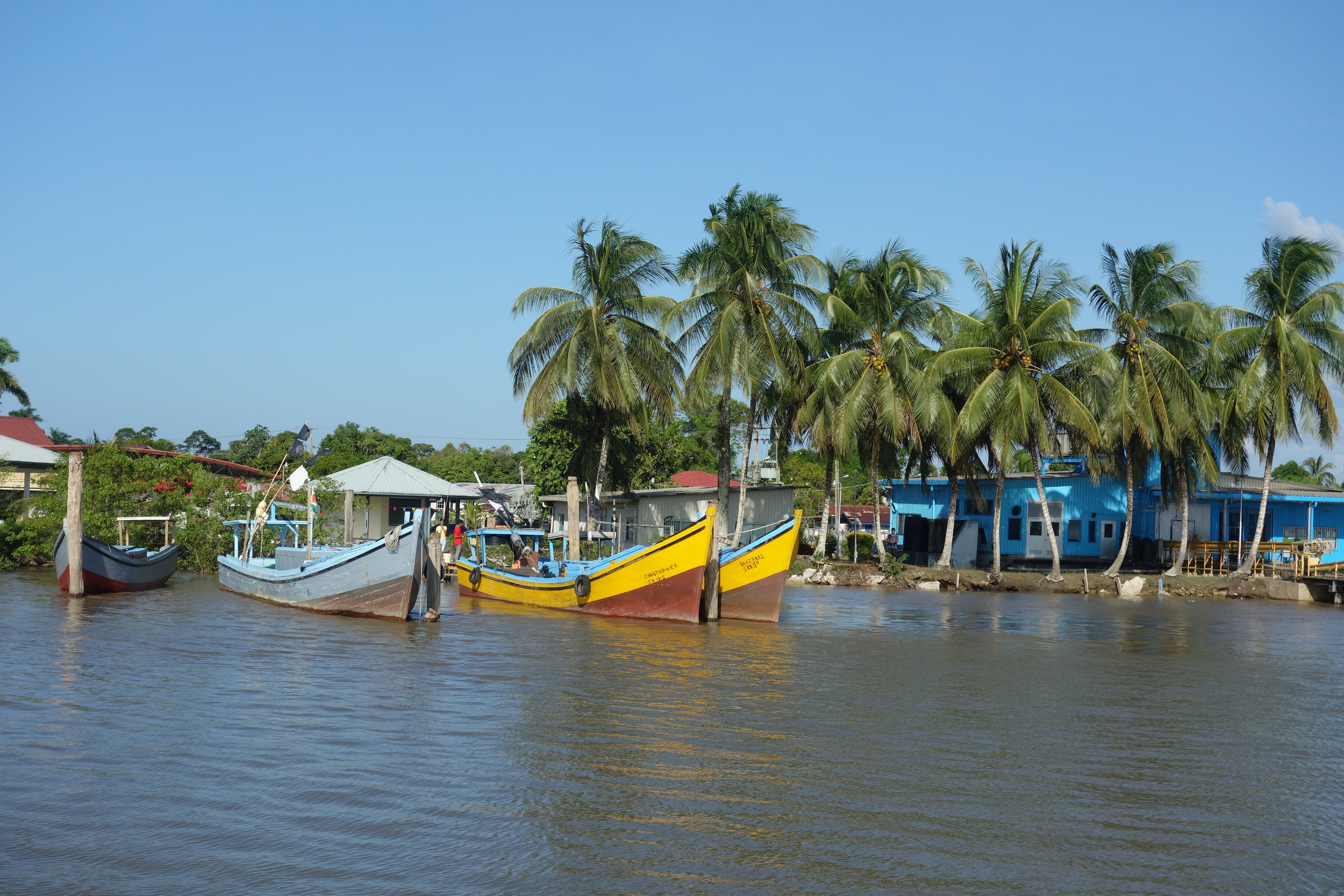
Located in the Guiana Shield in the northeastern coast of South America, Suriname's artisanal and small-scale gold mining sector contributes significantly to the country’s total gold output and serves as an economic backbone for many remote communities. It is a critical livelihood activity in Suriname, particularly in the interior regions where formal employment is scarce.
An estimated 10,000–20,000 individuals are directly and indirectly engaged in Suriname's artisanal and small-scale gold mining (ASGM) sector, including around 8,000 registered Brazilian migrant workers, providing significant socio-economic benefits for miners and secondary industries. ASGM activities are dispersed throughout the country's rural interior with a migratory, transient and diverse regional workforce that drifts throughout the Guianas. The majority of workers are adult men, although women play supporting roles and experience unique social and economic vulnerabilities.
While gold processing techniques vary between different geographic areas, mercury is widely used in the sector due to its low cost and accessibility, exposing workers and surrounding communities to serious health and environmental risks. Artisanal and small-scale gold mining is Suriname's largest source of mercury emissions, releasing an estimated 88 metric tons of mercury per year. Poorly managed ASGM has also contributed to land degradation and biodiversity loss.
Despite its economic importance—contributing an estimated 15 percent to the country's GDP—the ASGM sector in Suriname largely operates outside of formal structures, making it difficult to regulate and support with more responsible practices. Informal miners typically work independently or in small groups using basic tools and techniques.
While legislation exists for small-scale mining permits, many unlicensed miners cite complex administrative procedures and limited outreach in remote regions. This informality limits access to technical support, financing, and safer mining technologies. Strengthening formalization is crucial to improving environmental outcomes and livelihoods in the sector.
Key Figures from Suriname
-
65% of gold production is from ASGM
-
100,000+ people are indirectly supported by ASGM
-
15-20% of the ASGM workforce are women
-
88 tonnes of mercury are emitted by ASGM annually
Suriname's Approach
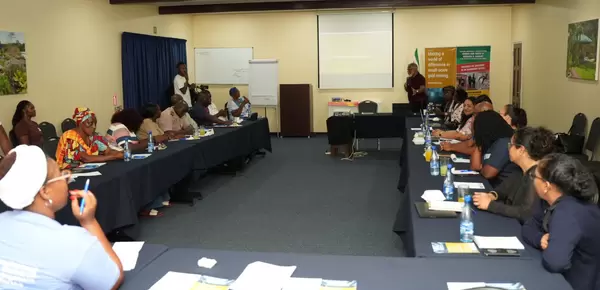
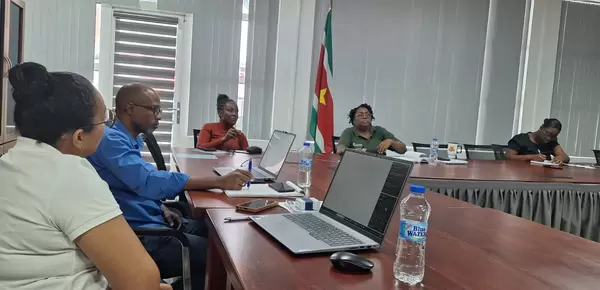
The planetGOLD Suriname project’s objective is to maximize the potential of the ASGM sector while reducing and eventually eliminating mercury use in gold production in alignment with the Minamata Convention on Mercury. The project focuses on holistic development management and strengthening human capital to combat persistent poverty in ASGM areas.
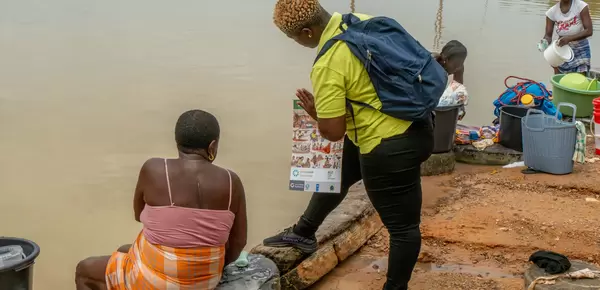
Through its interventions, the project aims to prevent 8 tonnes of mercury emissions during and following the project’s life cycle. The project will support more than 91,180 direct beneficiaries (49% women; 51% men) to formalize their ASGM operations, access financing, increase their awareness of the harms of mercury usage and available mercury-free technologies, and adopt mercury-free processing methods.
Key Strategies

Optimize formalization of | 
Promote financial inclusion and |

Enhance uptake of | 
Share knowledge and support |
Resources
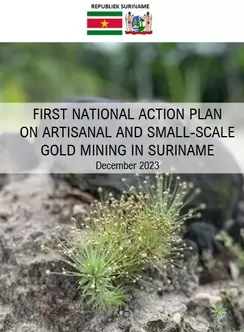
National Action Plan - Suriname
Government of Suriname English
National Action Plan for Artisanal and Small-Scale Gold Mining in Suriname, in accordance with the Minamata Convention on Mercury.
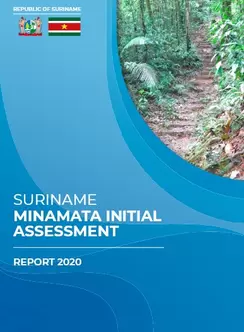
Minamata Initial Assessment - Suriname
Government of Suriname English
The MIA report describes the current situation of mercury releases in Suriname, the current awareness programs that exists in the country, a roadmap and actions which need to be undertaken to meet all the obligations of the Convention.
Knowledge areas:
Countries:
Awareness Visuals

Other planetGOLD countries
planetGOLD project sites in Suriname